Nuts are a favorite food not only of Jumbo the elephant. Humans also enjoy these nutritious, delicious foods. It’s time to give nuts the recognition they deserve, and today we’re looking at some of the most remarkable examples. Here are ten nuts that stand out for unusual qualities.
1 The most expensive – macadamia

Macadamia nuts have long been considered a premium product, even in their native Australia. Their relatively high price reflects the time and labor required to grow and process them. The trees can take several years to produce a substantial harvest, and their extremely hard shells make the nuts difficult to crack.
2 The largest – coco de mer

The coco de mer palm, native to the Seychelles, produces the largest seeds in the plant kingdom. Its enormous fruits can take several years to mature and may weigh around 15-25 kilograms in exceptional cases. The seed inside is edible, but coco de mer is rare and protected, so it is not an ordinary food crop.
3 The most calorie-dense – pili nut
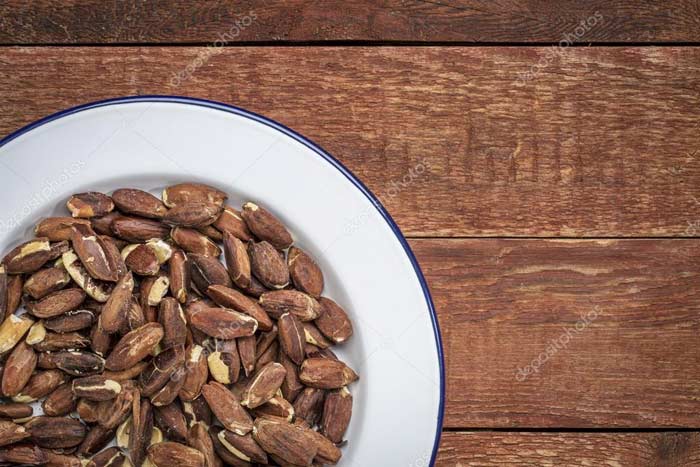
Pili nuts, which come from trees native to Southeast Asia and the Pacific, are exceptionally rich in fat and provide plenty of energy. Depending on the variety and how they are processed, their calorie content can be comparable to that of other high-fat nuts, such as macadamias. Exact nutritional values vary, so there is no single universally accepted winner for the title of the world’s most calorie-dense nut.
4 The most unusual – red walnut
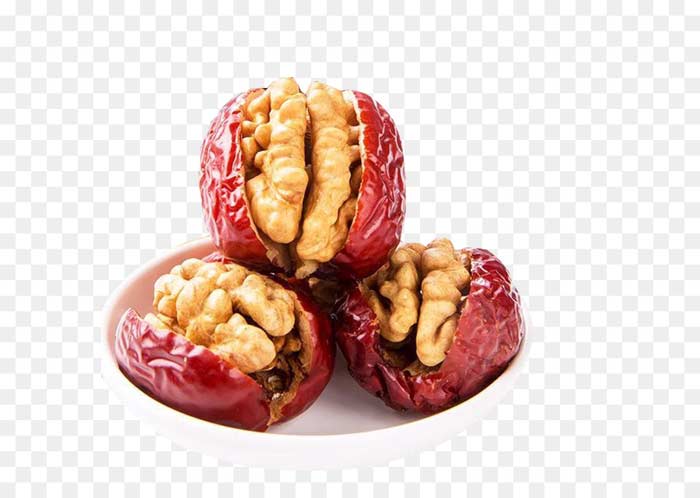
Even the familiar walnut has some surprising varieties. Plant breeders have developed red-kernel walnuts whose inner flesh ranges from pink to deep red. Their unusual appearance makes them stand out from ordinary walnuts, although their flavor is generally similar to that of conventional varieties.
5 The most unusual-smelling – wild mango seed

The seeds of African and Asian wild mango relatives, including species of the genus Irvingia, are used as food in some regions. They are valued for their fat content and their ability to thicken dishes when ground. However, the claim that these nuts are routinely passed through a cow’s digestive system to make them edible is not well supported and should not be treated as an established preparation method.
6 The most versatile – tiger nut

Tiger nuts, also known as chufa or earth almonds, are not actually nuts but small edible tubers. They have a naturally sweet, nutty flavor and contain carbohydrates, fiber and fat. They can be eaten raw or dried, ground into flour, pressed for oil, or used to make horchata de chufa, a traditional Spanish drink.
7 The most flammable – candlenut
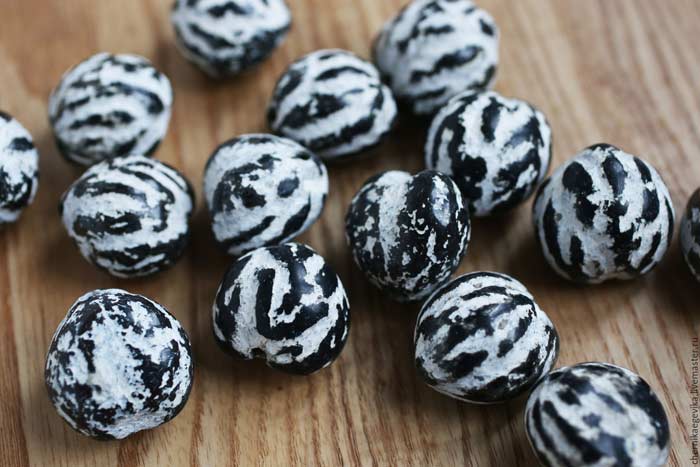
The candlenut tree grows throughout parts of Southeast Asia and the Pacific. Its seeds contain a high proportion of oil, which explains their historical use as a source of light. In some regions, the nuts were strung together or arranged so that the burning oil-rich seeds could serve as simple torches. Raw candlenuts should not be eaten because they can be toxic; they must be properly prepared for culinary use.
8 The strangest-looking – water caltrop

The water caltrop, also known as the water chestnut in some contexts, has a distinctive, horned shape that has inspired nicknames such as devil’s nut and bat nut. Despite its intimidating appearance, the fruit is edible when properly identified and prepared. It is rich in starch and has served as a food source in parts of Asia for centuries. However, the claim that it generally replaced potatoes in ancient Eastern Europe is difficult to substantiate.
9 The most stimulating – kola nut
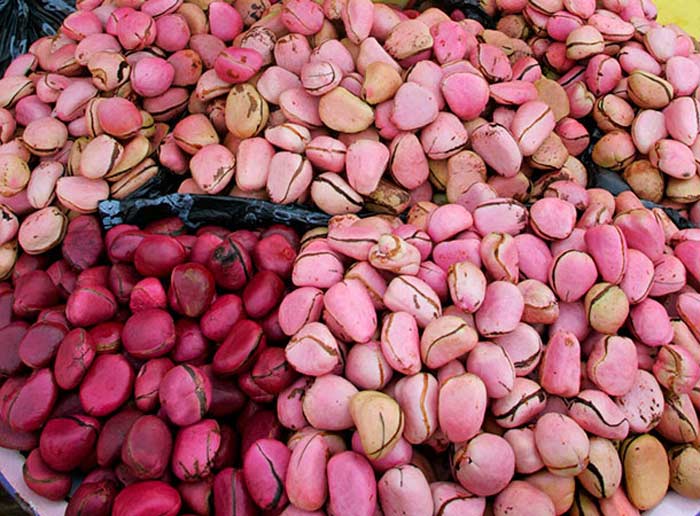
Kola nuts contain caffeine, typically around 2-3.5% of their weight, although the exact amount varies by species and growing conditions. They have traditionally been chewed in West Africa for their stimulating effect. Kola extract also played a role in the early history of cola soft drinks, including Coca-Cola. Modern commercial cola beverages generally rely on added caffeine and flavorings rather than whole kola nuts as their main ingredients.
10 The most dangerous – peanut
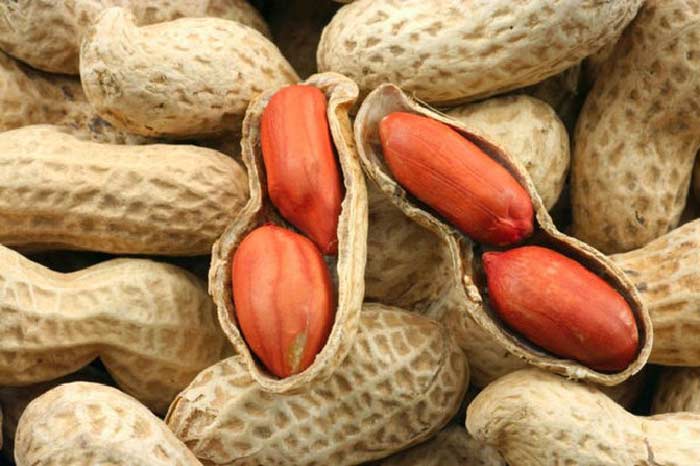
Peanuts are among the world’s most popular snacks, but they can cause severe allergic reactions, including life-threatening anaphylaxis, in people who are allergic to them. Peanuts are technically legumes rather than true nuts. The prevalence of peanut allergy varies considerably between countries and age groups, so the claim that around 2% of the world’s population is allergic to peanuts should not be treated as a reliable global estimate.