Pirates! The legendary outlaws of the seas. For centuries, their names have inspired fear, fascination and countless stories. Captain Flint, Jack Sparrow, Long John Silver, Captain Hook… the list of fictional pirates is almost endless. But behind the legends were real men and women who raided ships, attacked coastal settlements and challenged the great maritime powers of their time. Here are ten of the most famous pirates and privateers in history.
1Captain Flint (fictional character)
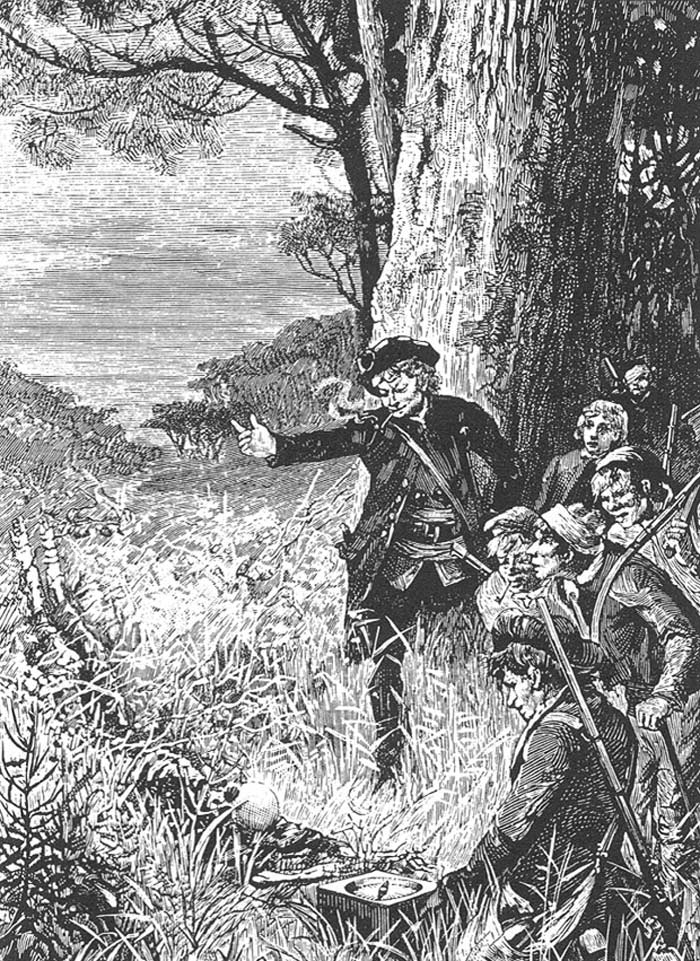
We begin today’s selection with Captain Flint – although there is an important detail: he never actually existed. Flint was a fictional pirate created by Scottish author Robert Louis Stevenson for his 1883 novel Treasure Island. In the story, he was a ruthless and feared pirate captain who accumulated an enormous treasure and buried it on a remote island. His crew’s famous song, “Yo-ho-ho, and a bottle of rum,” became one of the most recognizable pieces of pirate folklore. Stevenson’s fictional character went on to become one of the defining images of the classic pirate.
2Henry Morgan (c. 1635–1688)

Henry Morgan was a real historical figure – and one of the most successful privateers and buccaneers of the Caribbean. He led attacks against Spanish settlements including Portobelo, Maracaibo and Panama. His activities were conducted under English commissions during periods of conflict with Spain, making the distinction between pirate and privateer particularly important in his case. Morgan was eventually knighted and became Lieutenant Governor of Jamaica.
He died in Jamaica in 1688. Four years later, the catastrophic earthquake of 1692 destroyed much of Port Royal, and the cemetery where Morgan was buried sank into the sea. His grave and remains were never recovered. Contrary to popular legend, there is no reliable evidence that excessive rum consumption or liver disease was established as the cause of his death.
3Francis Drake (c. 1540–1596)
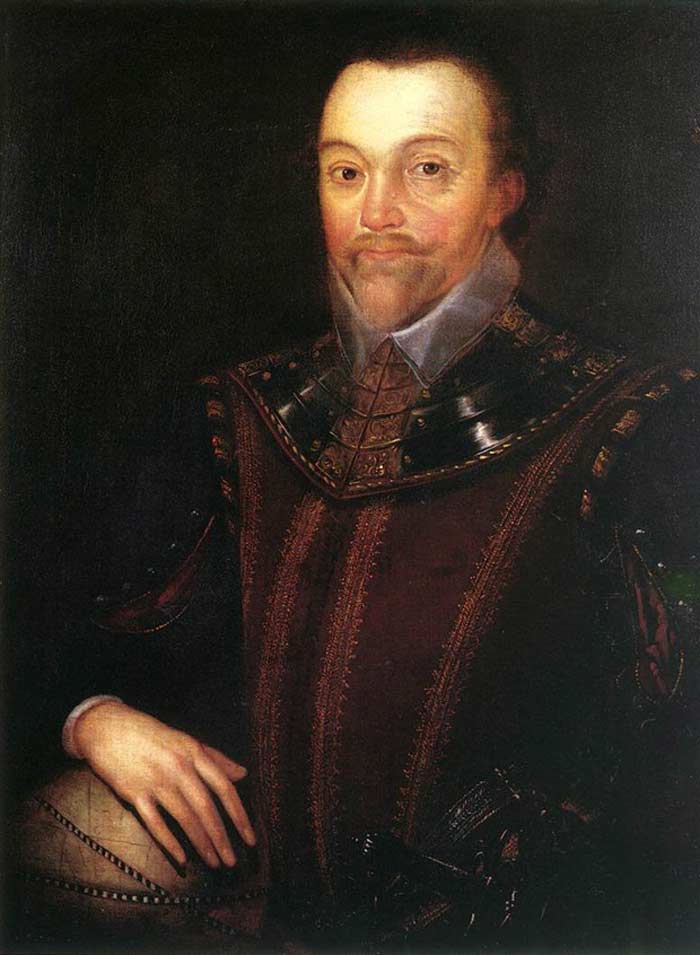
Francis Drake was born into a Protestant family and became one of England’s most famous seafarers. He was not officially a pirate but a privateer: Queen Elizabeth I authorized him to attack Spanish ships and possessions during England’s conflict with Spain. In 1572 he raided Spanish possessions in the Caribbean and captured valuable cargo.
Between 1577 and 1580, Drake commanded the expedition that made him the first Englishman to circumnavigate the globe. The voyage brought enormous wealth to England and made Drake a national hero. Elizabeth I knighted him aboard his ship after his return. The popular claim that Drake introduced the potato to England is disputed: potatoes had probably reached England through Spanish routes before Drake’s voyage, although he did return with potatoes from the Americas on a later expedition.
4William Kidd (c. 1654–1701)
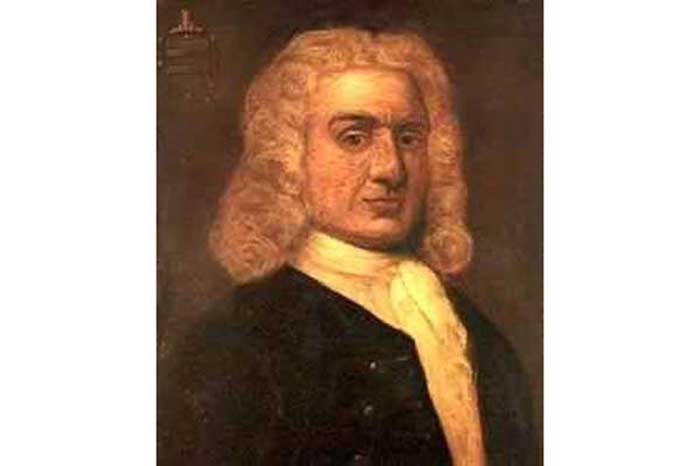
William Kidd began his career as a privateer commissioned to hunt pirates and enemy ships. However, his career eventually turned against him, and he was accused of piracy and murder. After being returned to England, Kidd was tried at the Old Bailey and found guilty.
He was executed at Execution Dock in London on 23 May 1701. His body was subsequently displayed in chains as a warning to other sailors. The original version claims that his body remained on display for more than 23 years, but this is incorrect: the commonly documented period is about three years. The case made Kidd one of the most notorious figures in the history of piracy and helped create the legend of his supposedly hidden treasure.
5Grace O’Malley (c. 1530–1603)
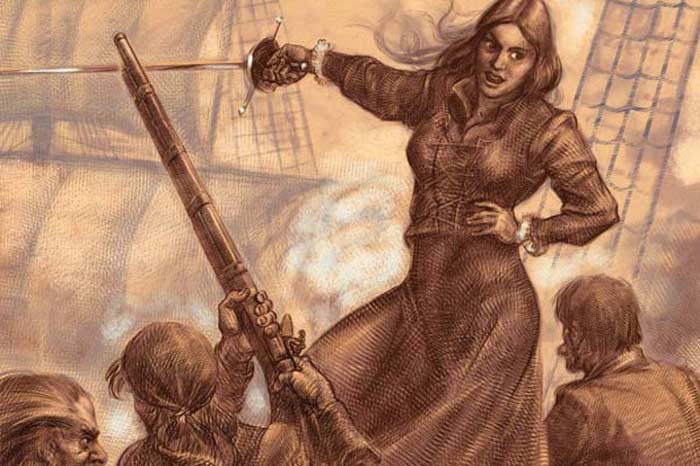
Grace O’Malley, or Gráinne O’Malley, was an Irish chieftain and maritime leader who became famous for commanding ships and fighting for the interests of her family and territory. English authorities regarded her as a rebel and pirate, while in Ireland she was a powerful Gaelic political and military leader.
In 1593, she travelled to England and successfully secured an audience with Queen Elizabeth I at Greenwich. Their meeting became legendary, although later stories added many colorful details that are not supported by contemporary evidence. O’Malley continued to play an important political role in Ireland and became one of the most famous female maritime figures in history.
6Olivier Levasseur (c. 1680–1730)
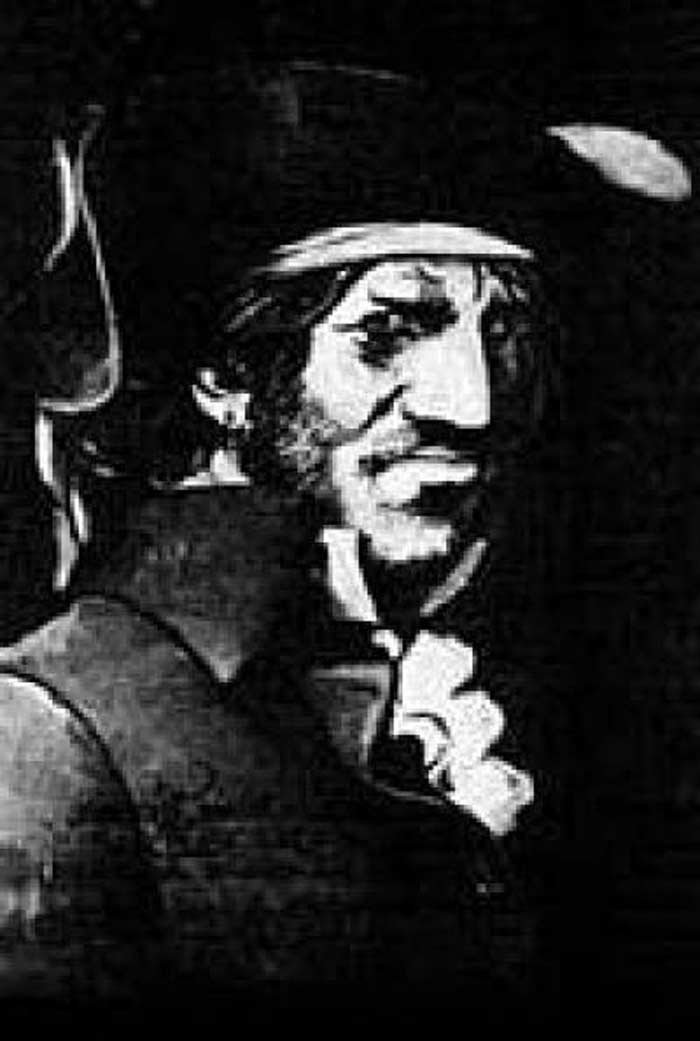
Olivier Levasseur, better known as La Buse (“The Buzzard”), was a French pirate active in the Indian Ocean during the Golden Age of Piracy. He became famous for capturing extremely valuable ships, including the Portuguese galleon Nossa Senhora do Cabo in 1721.
After his capture, Levasseur was executed on Réunion Island in 1730. According to legend, before being hanged he threw a cryptic message into the crowd, supposedly challenging his pursuers to find his hidden treasure. The enormous fortune sometimes attributed to him – hundreds of millions of pounds in modern estimates – has never been reliably established, and the legendary treasure remains a mystery. Recent archaeological research has even investigated a shipwreck in Madagascar that may be connected with the treasure captured by Levasseur and John Taylor.
7William Dampier (1651–1715)
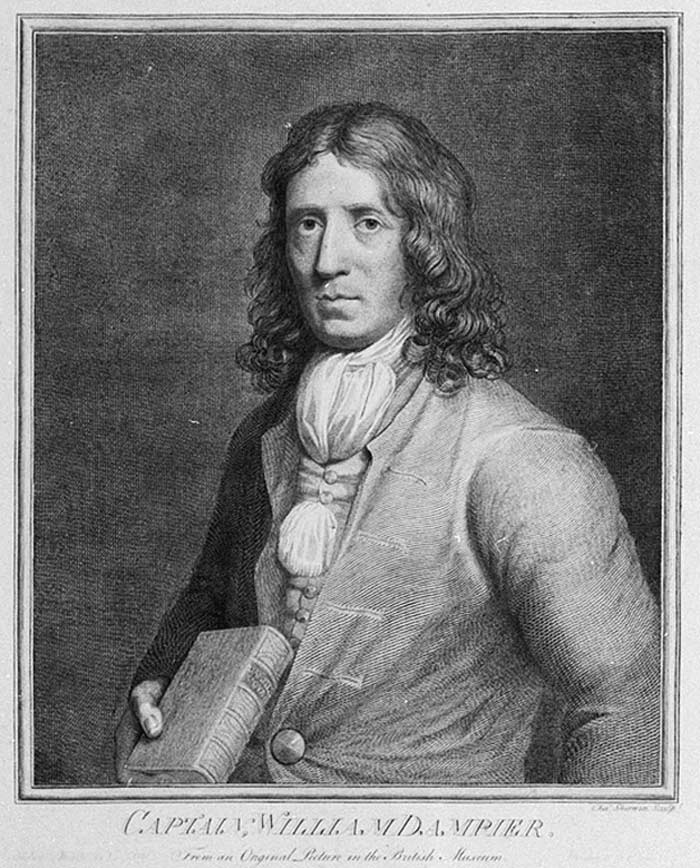
William Dampier was a privateer, explorer, navigator and naturalist whose life was closely connected with piracy and maritime expeditions. He carefully recorded observations of the places, plants, animals, weather and people he encountered during his voyages.
His book A New Voyage Round the World, published in 1697, became extremely influential. Dampier’s detailed observations helped make him an important figure in the early development of natural history and oceanographic observation. His writings later influenced explorers and scientists, including figures such as James Cook and Alexander von Humboldt.
8Zheng Yi Sao (c. 1775–1844)

Zheng Yi Sao, also known as Ching Shih, became one of the most powerful pirate leaders in history after the death of her husband, the pirate captain Zheng Yi, in 1807. She took control of the enormous Guangdong pirate confederation, which at its peak around 1809 consisted of roughly 1,800 ships and more than 70,000 crew members.
She imposed strict rules on her fleet, including severe penalties for stealing from fellow pirates or abusing female captives. Rather than being defeated militarily, Zheng Yi Sao negotiated a surrender with the Qing authorities in 1810. She was allowed to retire with many of her followers and later ran a successful gambling house. She died peacefully in Guangzhou in 1844, making her one of the rare major pirate leaders to end her career without execution or imprisonment.
9Oruç Reis (c. 1474–1518)
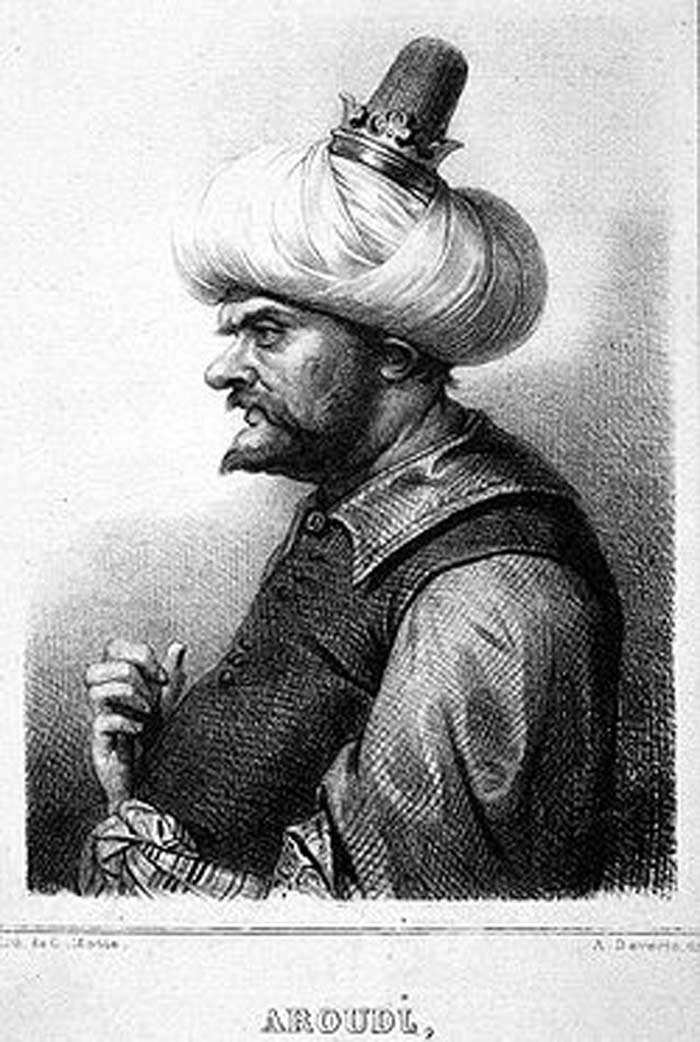
Oruç Reis, better known in Europe as Barbarossa, was an Ottoman-era corsair and one of the famous Barbarossa brothers. Born on the island of Lesbos, he entered maritime life and eventually became a powerful corsair operating in the Mediterranean.
Oruç Reis established himself in North Africa and became ruler of Algiers. He fought against Spanish forces and expanded his influence along the North African coast. In 1518, he was killed in battle against Spanish forces. His younger brother Khizr, better known as Hayreddin Barbarossa, succeeded him and became an even more powerful Ottoman naval commander.
10Edward Teach (c. 1680–1718)

Edward Teach, better known as Blackbeard, became one of the most feared pirates of the early 18th century. His flagship, Queen Anne’s Revenge, carried around 300 men and was heavily armed. Blackbeard deliberately cultivated a terrifying appearance, with a long black beard and slow-burning fuses tucked into his hair or clothing, creating a cloud of smoke around his face during battle.
In November 1718, Lieutenant Robert Maynard led an expedition against Blackbeard near Ocracoke Island in North Carolina. After a fierce close-quarters fight, Blackbeard was killed. Historical accounts record that he suffered numerous gunshot and stab wounds before finally being overcome. His severed head was displayed from Maynard’s ship as proof of his death.
Blackbeard became one of the most enduring symbols of the Golden Age of Piracy, inspiring generations of books, films and other fictional portrayals. Captain Flint, however, was created independently by Robert Louis Stevenson and was not based on Blackbeard.