Renewable energy is expanding rapidly around the world. Environmental concerns, energy security and falling technology costs are encouraging countries to invest in solar, wind, hydropower and other renewable sources. However, progress varies considerably: some countries lead in the total amount of renewable electricity capacity installed, while others generate a particularly high share of their electricity from renewable sources.
The following ranking is based on total installed renewable electricity capacity in 2025, including hydropower, solar, wind and other renewable technologies. According to data compiled from the International Renewable Energy Agency (IRENA), China is by far the world’s largest market, followed by the United States, India and Brazil.
1 China
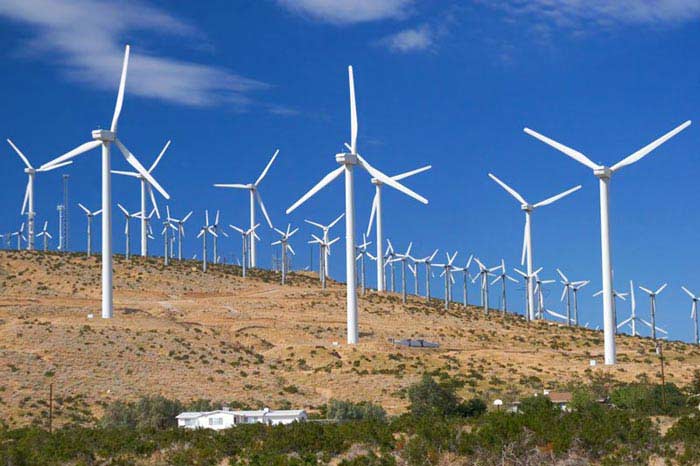
China is the world’s largest renewable energy market, with approximately 2,258 GW of installed renewable electricity capacity in 2025. It leads the world in solar and Top 10 Countries leading in wind energy deployment and continues to expand its hydropower infrastructure. In 2025, China added approximately 440 GW of renewable capacity, an extraordinary increase by international standards.
China remains the world’s largest emitter of carbon dioxide in absolute terms, largely because of its enormous energy demand and continued reliance on coal. Its rapid expansion of renewables is therefore particularly significant, although new renewable installations do not automatically translate into an equivalent reduction in fossil-fuel consumption.
2 United States

The United States ranked second, with approximately 468 GW of installed renewable electricity capacity in 2025. Solar and wind power account for a substantial part of its renewable energy expansion, while hydropower and geothermal energy also contribute to electricity production.
The country is an important centre for geothermal research. Enhanced geothermal systems (EGS) aim to extract heat from underground rock formations even where natural reservoirs are unsuitable for conventional geothermal plants. Although these technologies could expand geothermal power beyond traditionally favourable locations, their costs and technical challenges remain significant.
3 India

India had approximately 251 GW of installed renewable electricity capacity in 2025, placing it third worldwide. The country has enormous potential for solar power and is expanding wind energy, hydropower and large-scale renewable energy parks.
India added approximately 45 GW of renewable capacity in 2025, including almost 50 GW of solar photovoltaic capacity according to estimates reported by the International Energy Agency. These figures refer to different datasets and should not be added together: the IEA’s solar figure is a technology-specific estimate, while total renewable additions depend on the technologies and accounting methods included.
India’s growing electricity demand creates additional challenges. Investment in transmission infrastructure, energy storage and grid management is essential to ensure that renewable electricity reaches homes and businesses when it is needed.
4 Brazil
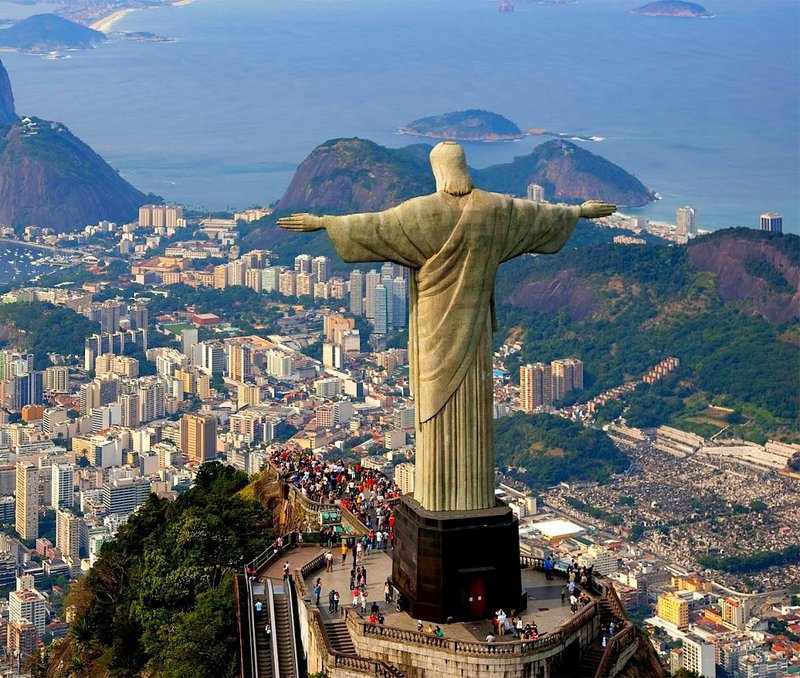
Brazil had approximately 228 GW of installed renewable electricity capacity in 2025, making it one of the world’s leading renewable energy producers. Hydropower has historically dominated its electricity system, while wind and solar power have become increasingly important.
The country’s geography provides substantial renewable resources, from major river systems to favourable wind conditions and abundant sunshine. Brazil also produces bioenergy from agricultural products, including sugarcane. However, dependence on hydropower makes electricity production vulnerable to droughts, highlighting the importance of diversifying the energy mix.
5 Germany
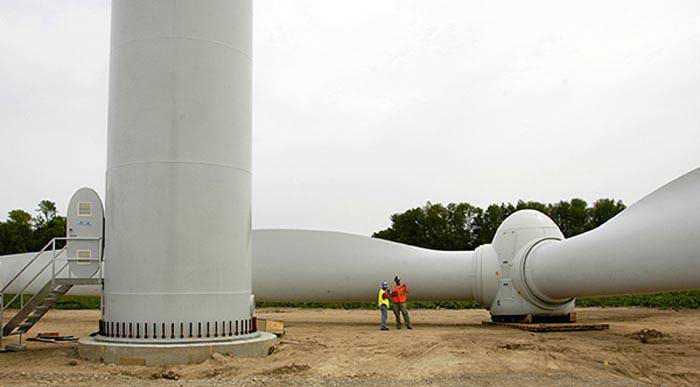
Germany had approximately 200 GW of installed renewable electricity capacity in 2025. It has played a major role in developing wind and solar power and has been one of Europe’s most influential markets for renewable energy technology and policy.
The country’s energy transition, known as the Energiewende, has encouraged the expansion of renewable electricity and the gradual reduction of fossil-fuel dependence. Germany’s nuclear power phase-out was completed in April 2023, making the continued expansion of renewable generation and improvements to grid infrastructure particularly important.
Although Germany has made substantial progress, its electricity system still uses fossil fuels. Weather-dependent wind and solar generation also require flexible power plants, storage, interconnections and effective electricity-market management.
6 Japan
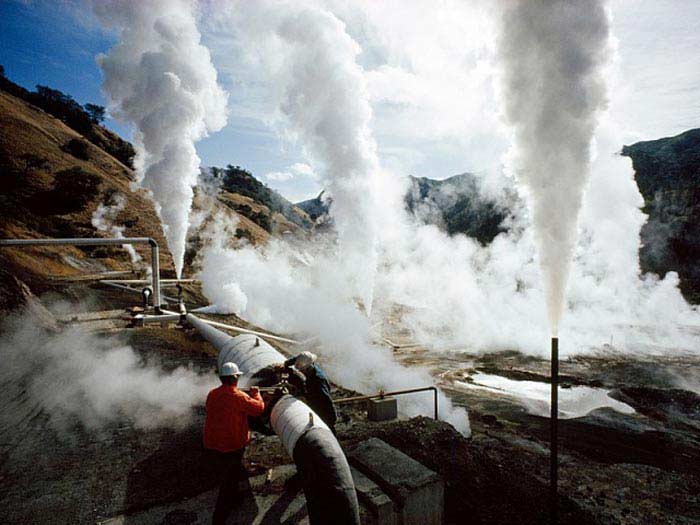
Japan had approximately 135 GW of installed renewable electricity capacity in 2025. Its renewable energy sector includes solar power, hydropower, wind energy, geothermal power and bioenergy.
Japan has limited domestic fossil-fuel resources and depends heavily on imported energy, making energy security a major concern. Solar power has expanded considerably, while offshore wind projects offer further opportunities for growth. The country’s volcanic geology also gives it substantial geothermal potential, although development can be complicated by environmental considerations, protected areas and competing land uses.
Japan continues to face the challenge of balancing energy security, electricity costs and emissions reductions while adapting its electricity system to a changing generation mix.
7 Canada

Canada had approximately 111 GW of installed renewable electricity capacity in 2025. Hydropower is the country’s largest renewable electricity source, supported by extensive river systems and large hydroelectric facilities.
Wind and solar power are also expanding, helping diversify Canada’s electricity supply. Renewable energy resources vary considerably across the country: some provinces rely heavily on hydropower, while others use different combinations of wind, solar, nuclear power and fossil fuels.
Canada’s substantial renewable electricity resources provide opportunities to electrify transport, buildings and industry. However, the availability of transmission infrastructure and the geographical distance between energy resources and population centres can complicate the development of new projects.
8 Spain

Spain had approximately 99 GW of installed renewable electricity capacity in 2025. Its sunny climate and favourable wind conditions make it one of Europe’s leading markets for solar and wind power.
Solar photovoltaic installations have expanded rapidly, while wind power remains a major contributor to electricity generation. Spain is also developing energy storage and electricity interconnections to help manage periods when renewable generation exceeds immediate demand.
The country’s renewable energy expansion offers opportunities to reduce fossil-fuel consumption and improve energy security. Nevertheless, integrating additional capacity requires investment in transmission networks, storage and other sources of flexibility.
9 France

France had approximately 84 GW of installed renewable electricity capacity in 2025. Hydropower is an established renewable source, while wind and solar power have expanded as the country diversifies its electricity generation.
France’s electricity system is also strongly influenced by nuclear power, which is a low-carbon source of electricity but is not classified as renewable energy. This distinction matters when comparing countries: a country can have relatively low-carbon electricity without having the world’s largest renewable capacity.
France continues to develop onshore and offshore wind projects and expand solar installations. Grid upgrades, permitting and the integration of new generation remain important parts of its energy transition.
10 Italy

Italy had approximately 78 GW of installed renewable electricity capacity in 2025. Its renewable energy mix includes hydropower, solar power, wind energy, geothermal electricity and bioenergy.
Italy benefits from abundant sunshine, particularly in its southern regions and on its islands. It is also a long-established producer of geothermal electricity, especially in Tuscany, where geothermal resources have been used for power generation for more than a century.
Solar power has become increasingly important, while wind energy provides another source of renewable electricity. Further expansion depends on investment, grid connections, energy storage and the ability to integrate generation from different regions.
The global transition to renewable energy is reshaping electricity systems and creating new opportunities for economic development and energy security. China leads the world by a substantial margin in installed renewable capacity, while the United States, India and Brazil also have enormous renewable energy industries.
However, installed capacity is only one way to measure progress. The amount of electricity actually generated, the share of national electricity supplied by renewables and the share of total energy consumption from renewable sources can produce very different rankings. Countries seeking a cleaner and more reliable energy system must therefore consider not only how much renewable capacity they install, but also how effectively they use and integrate it.