Majestic, alluring and mysterious, the Grand Canyon is one of the world’s most famous natural landmarks. But, despite its imposing name, it is not the largest canyon in every category. Our planet is full of enormous gorges and valleys whose dimensions can be difficult to compare because scientists use different measurements: length, width, depth or the overall scale of the canyon system. The beauty of our blue planet is so extraordinary that even experienced nature lovers can still discover spectacular surprises.
Today, Dekatop takes a journey through some of the world’s greatest canyons, offering impressive evidence of the enormous landscapes created by nature itself. Here are 10 of the world’s largest and most remarkable canyons, presented in approximately increasing order of overall scale.
1Tara River Canyon. Montenegro
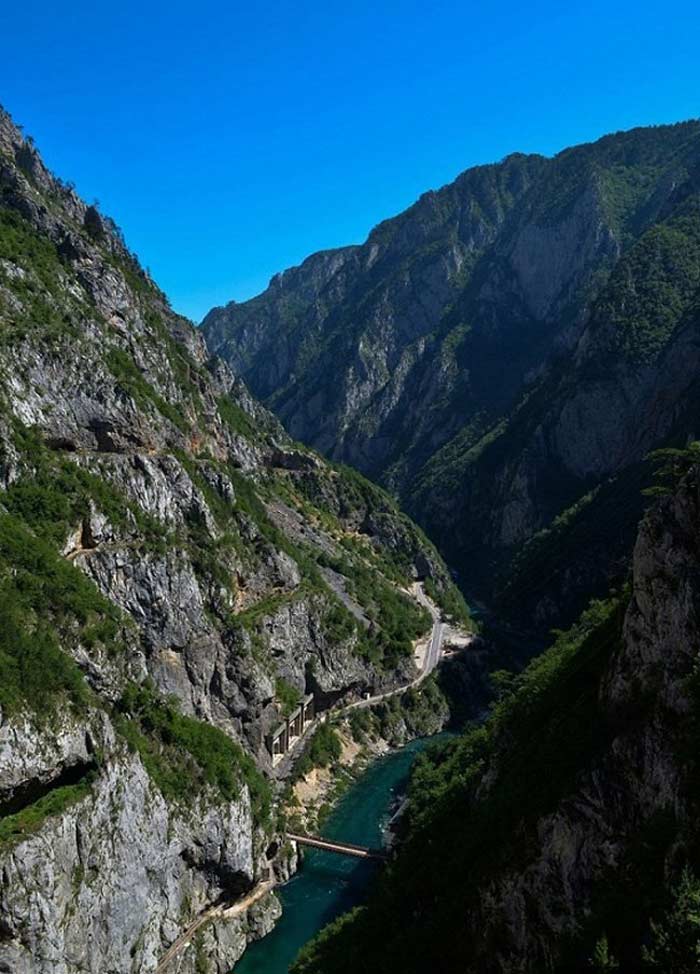
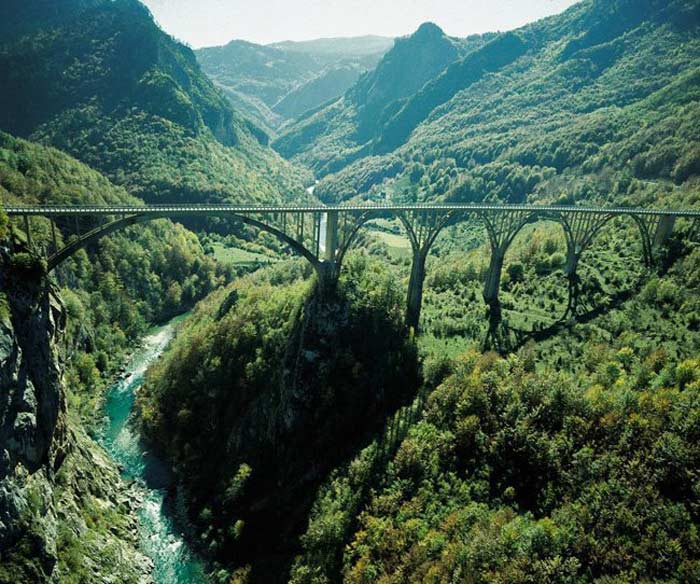
This canyon impresses visitors with its enormous scale: it is about 82 kilometers long and reaches a depth of around 1,300 meters. It is widely regarded as the deepest river canyon in Europe and is famous for its spectacular scenery, forests, waterfalls and white-water rafting. The canyon lies mainly in Montenegro and extends into Bosnia and Herzegovina, with part of its landscape protected within the UNESCO-listed Durmitor National Park.
The road through the Tara region connects northern and southern Montenegro and crosses some spectacular mountain terrain. In places, the mountains rise steeply on both sides of the canyon, creating narrow passages where sunlight reaches the valley floor only briefly. During periods of heavy rain, waterfalls and falling rocks can add to the hazards along the mountain roads.
2Blyde River Canyon. South Africa
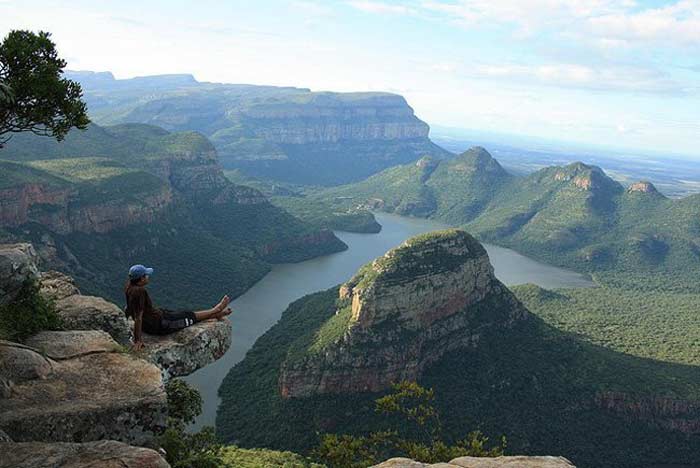
Unlike the dry landscapes of many famous canyons, the Blyde River Canyon is covered with lush subtropical vegetation. It is about 25 kilometers long and reaches an average depth of roughly 750 meters. The canyon forms part of the northern Drakensberg escarpment and is famous for viewpoints such as God’s Window and the Three Rondavels. Its combination of dramatic cliffs, red sandstone and abundant greenery makes it one of Africa’s most distinctive canyon landscapes.
3Copper Canyon. Mexico
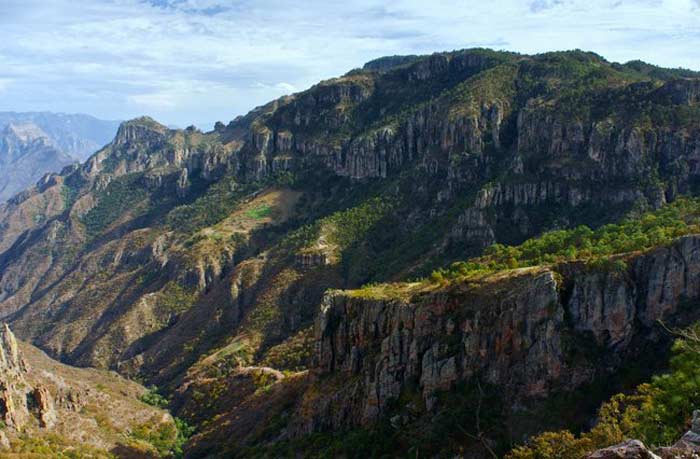
Copper Canyon, or Barrancas del Cobre, is not a single canyon but a huge system of interconnected gorges in the Sierra Tarahumara of Chihuahua. The system consists of several major barrancas and covers a vast area, with some individual canyons reaching depths of more than 1,600 meters. The spectacular landscape can be explored by the famous Chihuahua-Pacific railway, known as El Chepe, which crosses the mountains through numerous tunnels and bridges.
4Cotahuasi Canyon. Peru
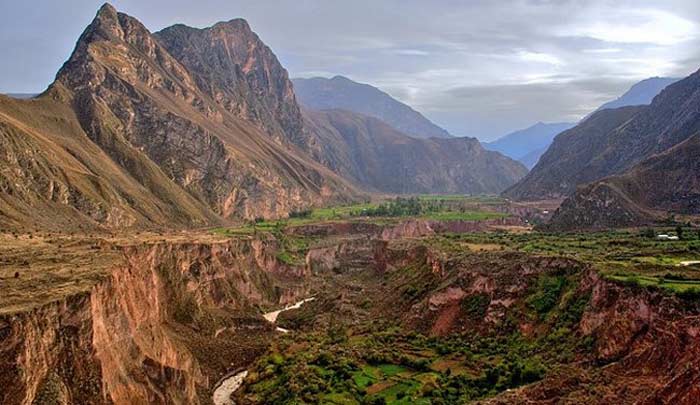
One of the most remarkable features of Peru’s Cotahuasi Canyon is its extraordinary depth. Depending on how the canyon is measured, the difference between the river and the surrounding mountain peaks reaches roughly 3,350-3,535 meters. The Cotahuasi River carved the canyon between enormous mountain massifs, including the Coropuna and Solimana ranges. NASA describes Cotahuasi as one of the deepest canyons on Earth.
5Colca Canyon. Peru
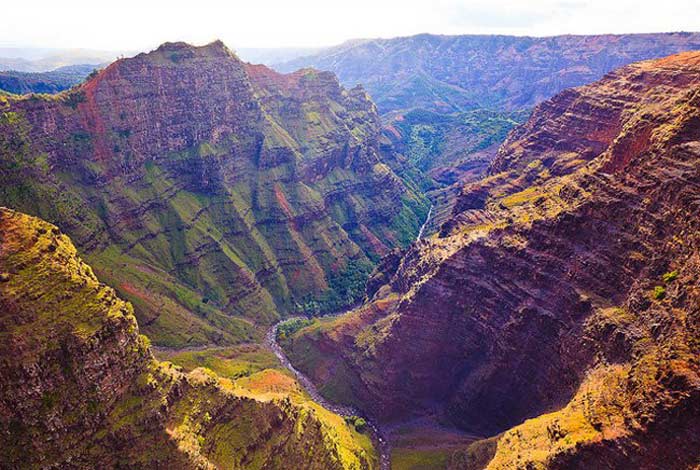
The Colca Canyon is another gigantic Peruvian canyon, famous for its spectacular depth and dramatic volcanic landscape. Some measurements place its maximum depth at more than 3,000 meters, while estimates vary depending on the point from which the depth is measured. The canyon lies relatively close to Arequipa and was shaped by the Colca River and powerful geological processes associated with the Andes. It is also one of the world’s best-known places for observing Andean condors soaring above the canyon.
6Fish River Canyon. Namibia
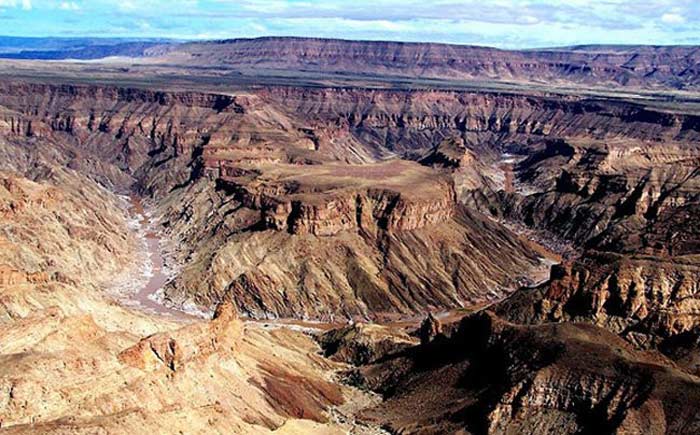
Fish River Canyon is one of Africa’s great natural landmarks. The enormous gorge stretches for about 161 kilometers, reaches up to roughly 27 kilometers in width and is almost 550 meters deep. The Fish River has carved the canyon through the arid landscape of southern Namibia over a very long geological period. Its vast, rugged scenery has made it one of the country’s most famous natural attractions.
7Grand Canyon. USA
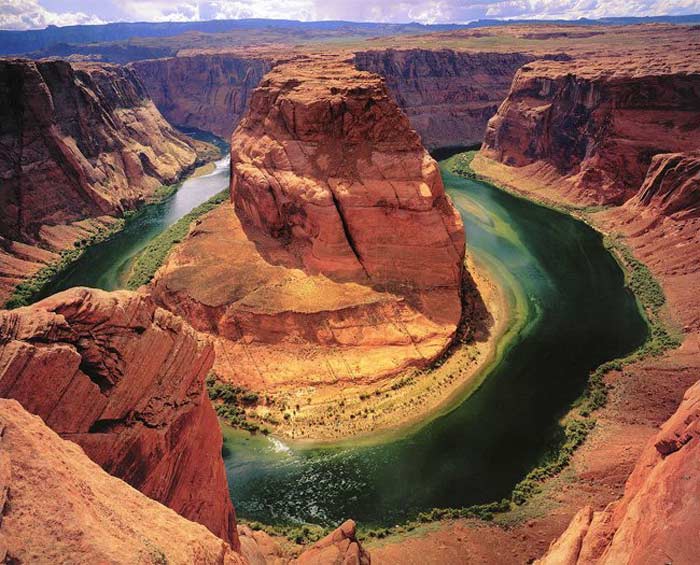
The Grand Canyon was carved by the Colorado River through the rocks of northern Arizona over millions of years. Measured along the river, the canyon is about 446 kilometers long. Its width ranges from roughly 6 to 29 kilometers, while its maximum depth is about 1,800 meters. Although it is not the deepest canyon on Earth, its enormous length, width, depth and spectacular geological exposures make it one of the world’s most impressive canyon systems.
8Kali Gandaki Gorge. Nepal

The Kali Gandaki River flows between the enormous peaks of the Annapurna and Dhaulagiri mountain ranges in Nepal. The gorge is often described as the world’s deepest, although its exact depth depends on how the boundaries and reference elevations are defined. Some commonly cited measurements give a vertical difference of around 6,000-7,000 meters between the river valley and the surrounding Himalayan peaks. The dramatic contrast between the river and the snow-covered mountains makes this one of the most extraordinary landscapes in the Himalayas.
9Capertee Valley. Australia
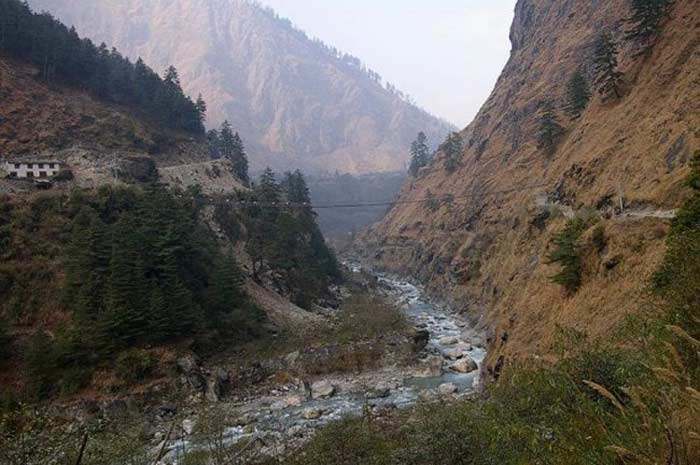
Capertee Valley in New South Wales is remarkable not for its depth but for its enormous width. It is often described as one of the world’s widest enclosed canyon valleys and is about one kilometer wider than the Grand Canyon at its broadest comparable measurements. The valley was carved into sandstone over millions of years and is surrounded by spectacular cliffs, forests and distinctive rock formations. Today, it is also an important habitat for wildlife, including the endangered regent honeyeater.
10Yarlung Tsangpo Grand Canyon. Tibet
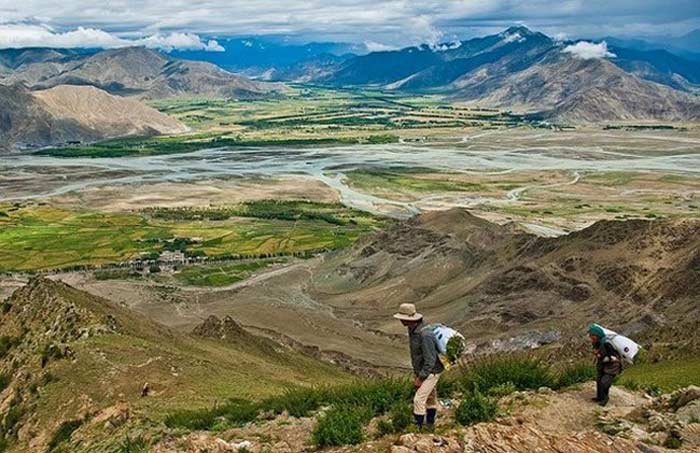
The Yarlung Tsangpo Grand Canyon in Tibet is generally described as both the world’s longest and deepest canyon. Modern scientific sources give its length as approximately 504.6 kilometers and its maximum depth as about 6,009 meters. The canyon follows the Yarlung Tsangpo River as it makes a dramatic bend around the Namcha Barwa massif in the eastern Himalayas. Its enormous vertical relief and exceptional length make it one of the most extraordinary geological features on Earth.