Catholics around the world have followed the historic events taking place in Vatican City. Pope Benedict XVI, who led the Catholic Church for nearly eight years, officially announced his resignation on 11 February 2013. The previous papal resignation had taken place almost six centuries earlier, when Gregory XII stepped down in 1415 amid the Western Schism, a period of deep division within the Catholic Church.
Benedict XVI’s resignation took effect on 28 February 2013, beginning the period known as Sede Vacante, or the vacant See. Before stepping down, he amended the rules governing the papal conclave to allow some flexibility in its timing. On 13 March 2013, Cardinal Jorge Mario Bergoglio was elected pope and chose the name Francis. He was the first pope to use that name and the first Jesuit pope. Pope Francis died on 21 April 2025.
The history of the papacy includes remarkable achievements, religious controversies, political struggles and serious scandals. Here are ten popes whose conduct or historical reputations have attracted particular attention.
1 Benedict XVI
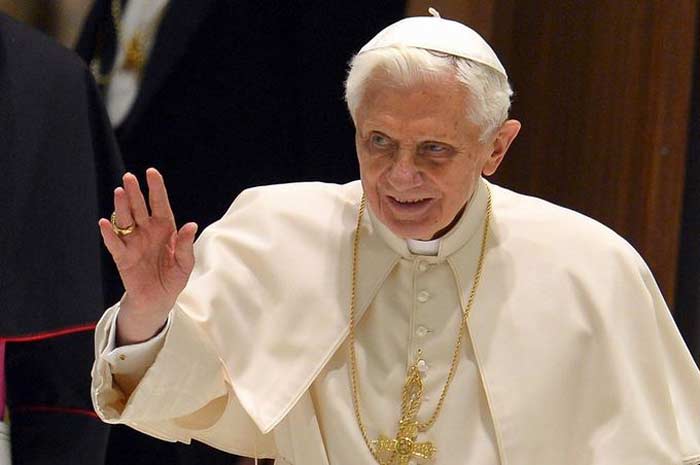
Let’s begin with Benedict XVI, whose papacy was marked by several major controversies. In 2006, a lecture he delivered at the University of Regensburg caused widespread outrage among Muslims. Benedict quoted a historical passage linking Islam and violence, prompting protests and diplomatic tensions across several countries. He later expressed regret that his words had been interpreted as offensive and clarified that the quotation did not represent his own views.
His papacy was also overshadowed by the continuing global scandal of sexual abuse of minors by Catholic clergy and the Church’s handling of allegations. Benedict expressed shame and sorrow over the abuse and met with victims during his pontificate. Critics nevertheless argued that the Church had not done enough to protect children or hold those responsible accountable. These controversies contributed to a wider crisis of trust in Catholic institutions.
2 Alexander VI

Although Benedict XVI faced modern controversies, Alexander VI remains one of the most notorious figures in the history of the papacy. Born Rodrigo Borgia, he became pope in 1492 during the Italian Renaissance, an era in which religious authority and political power were closely intertwined.
His election was widely associated with political bargaining and allegations of bribery. During his pontificate, family connections and political alliances played a major role in appointments and the distribution of power. Despite the Catholic requirement of clerical celibacy, Rodrigo Borgia had several children before becoming pope and continued to acknowledge his family during his pontificate.
His son Cesare Borgia became a powerful military and political figure, while his daughter Lucrezia became a prominent figure in Italian court politics. The Borgias’ reputation for intrigue, ambition and ruthlessness has been reinforced by centuries of historical writing and popular fiction. Some sensational accusations, including claims of incest, remain disputed or unsupported and should not be presented as established facts.
3 Innocent VIII

Innocent VIII, who reigned from 1484 to 1492, was also associated with nepotism and allegations of corruption. He acknowledged several children born before his election to the papacy, and his family benefited from his political influence.
However, one of the most controversial aspects of his pontificate was his approach to accusations of witchcraft. In 1484, he issued the papal bull Summis desiderantes affectibus, which supported inquisitors Heinrich Kramer and others in their investigations into alleged witchcraft. The document contributed to the institutional support for witchcraft prosecutions, although the European witch hunts that followed had many causes and cannot be attributed to one pope alone.
Stories claiming that Innocent VIII attempted to prolong his life by receiving blood from three young boys appear in later accounts, but the details are poorly substantiated and should be treated with caution.
4 Pope Joan – a medieval legend

The story of Pope Joan is one of the most famous legends associated with the papacy. According to later medieval accounts, a woman disguised herself as a man, rose through the Church hierarchy and eventually became pope under the name John Anglicus or a similar name.
The legend claims that her identity was revealed when she gave birth during a public procession, after which she was killed by an enraged crowd. Some versions place her pontificate between Leo IV and Benedict III in the ninth century.
However, there is no reliable contemporary evidence that Pope Joan ever existed, and modern historians generally regard the story as legendary. The tale also inspired stories about a supposed papal examination on a specially designed chair, but the historical evidence for this practice as a test of a candidate’s sex is weak.
5 Gregory XVI

Gregory XVI was pope from 1831 to 1846, during a period of intense political change in Europe. Before his election, he was a Camaldolese monk and a respected theologian, but his pontificate became controversial because of his opposition to liberal political movements and constitutional reforms.
His government resisted demands for greater political participation in the Papal States and relied on conservative advisers, including Cardinal Luigi Lambruschini. His administration also faced criticism for censorship and its resistance to political modernization.
Claims that Gregory XVI personally confined Jews to a newly established ghetto are inaccurate. The Jewish community in Rome had been subjected to restrictions and compulsory residence in the Roman Ghetto for centuries before his pontificate. Although Gregory’s government maintained discriminatory restrictions, the ghetto itself dated back to 1555, under Pope Paul IV.
6 Benedict IX
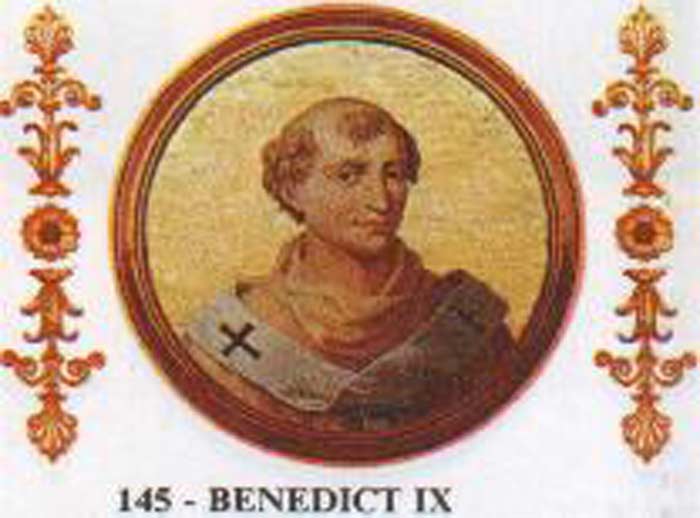
Benedict IX is remembered as one of the most controversial popes of the Middle Ages. Born Theophylact of Tusculum, he came from a powerful Roman family and became pope at a very young age, probably in his late teens, although historical accounts disagree about his exact age.
His pontificate was marked by political turmoil and repeated struggles for control of Rome. In 1045, he relinquished the papacy, and his godfather, John Gratian, became Pope Gregory VI. The circumstances surrounding this transfer are commonly described as a sale of the papacy, although the precise details and motives remain debated.
Benedict later attempted to reclaim the papal throne and briefly returned to power. He was eventually deposed in 1048. His repeated appearances in the history of the papacy reflect the political instability of the period, when powerful families could exert considerable influence over papal elections.
7 Stephen VI
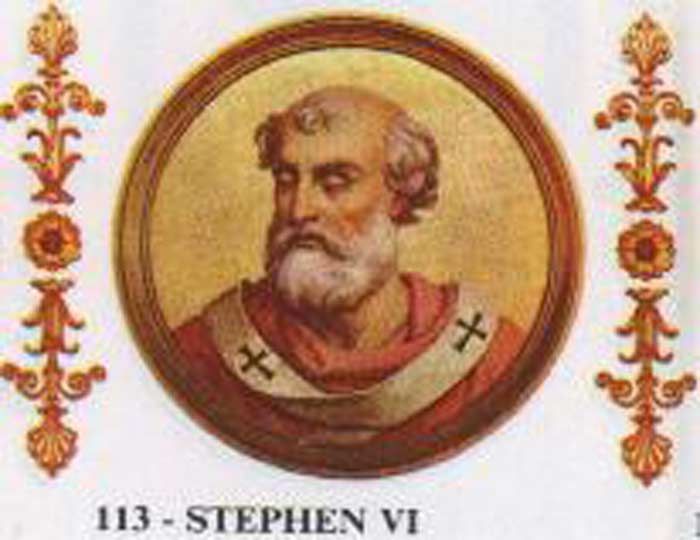
Stephen VI became infamous for one of the most macabre episodes in papal history: the Cadaver Synod of 897. He ordered the exhumation of his predecessor, Pope Formosus, whose body was dressed in papal vestments and placed on trial.
A deacon reportedly answered questions on behalf of the dead pope. Formosus was declared unworthy of the papacy, and his acts and ordinations were annulled. According to historical accounts, several fingers used for blessings were cut from his corpse before it was thrown into the Tiber River.
The trial was part of a bitter political conflict over rival factions in Rome and the legitimacy of Formosus’s pontificate. Stephen’s opponents eventually overthrew him, and he died in prison in 897, probably after being strangled. The exact circumstances of his death remain uncertain.
8 Clement V

Clement V became pope in 1305 during a period of intense conflict between the papacy and European monarchies. Under pressure from the French king Philip IV, he established his residence in Avignon in 1309. This began the period commonly known as the Avignon Papacy, during which successive popes resided in Avignon rather than Rome.
Clement’s pontificate is also associated with the suppression of the Knights Templar. Under intense political pressure, he authorized proceedings against the order, which was dissolved in 1312. Its leaders faced trials and accusations that remain controversial among historians.
The Avignon Papacy weakened the prestige of the papacy in the eyes of some contemporaries, who saw the popes as excessively dependent on French political interests. Clement died in 1314. The broader period of papal residence in Avignon lasted until 1377, rather than ending with his death.
9 John XXII
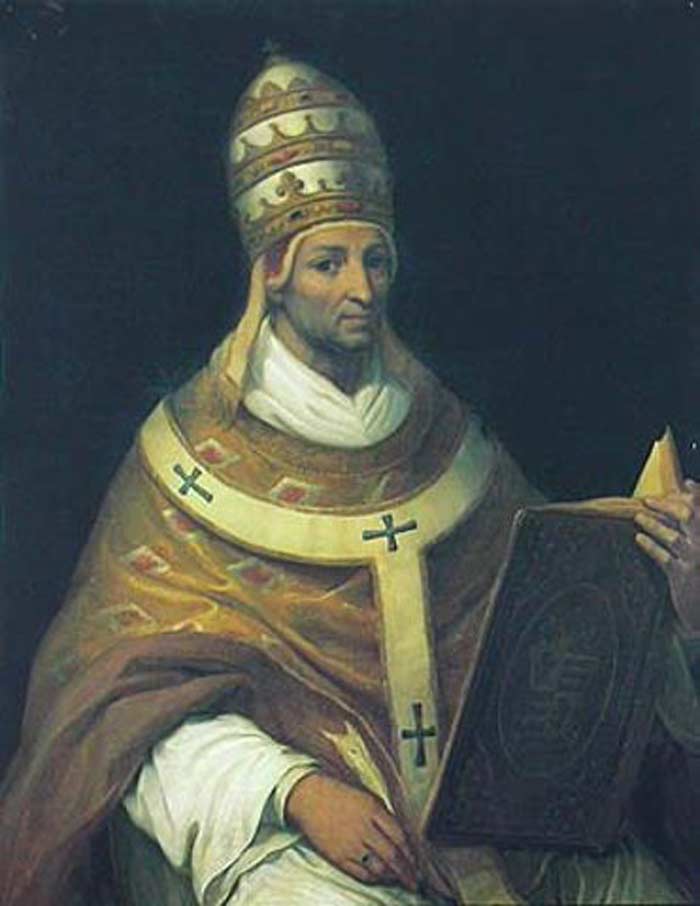
John XXII, who reigned from 1316 to 1334, was a controversial figure in medieval theology and Church politics. He was involved in disputes with the Holy Roman Emperor Louis IV and clashed with members of the Franciscan order over the question of apostolic poverty.
John also caused theological controversy by preaching that the souls of the righteous would not enjoy the full beatific vision of God until after the Last Judgment. This position was challenged by theologians and churchmen, and he clarified his views near the end of his life. His successor, Benedict XII, formally defined the Church’s teaching on the beatific vision in 1336.
The sale of ecclesiastical offices and the development of papal financial administration also attracted criticism during the Avignon period. However, the claim that John XXII established a fixed price list for absolution of sins, including murder and incest, is misleading. It confuses the complex medieval systems of ecclesiastical finance and penitential practice with later abuses associated with indulgences.
10 Boniface VII
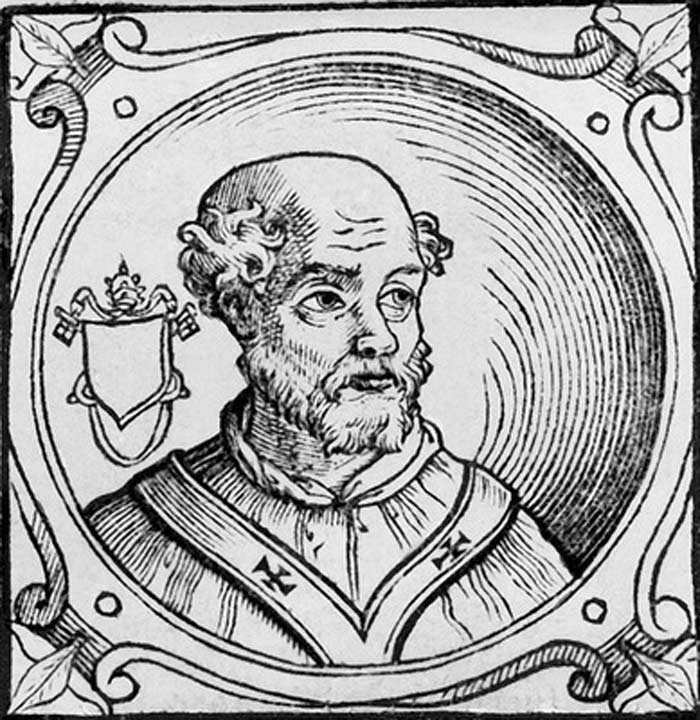
Boniface VII is a controversial figure in the history of the medieval papacy, although he is generally classified as an antipope rather than a legitimate pope. His real name is usually given as Franco, and he became involved in Roman political struggles during the late tenth century.
In 974, following the death of Pope Benedict VI, Franco seized power in Rome and was accused of involvement in the pope’s overthrow and death. He fled the city when opposition forces gained control. In 984, he returned to Rome and again took control of the papal office, displacing Pope John XIV, who subsequently died in captivity.
Boniface VII died in 985. His reputation was shaped by political violence, contested legitimacy and accusations of murder and theft. His story illustrates the intense competition for control of Rome during an era when the papacy was deeply entangled in local aristocratic power struggles.
The history of the papacy includes both spiritual leadership and episodes of political intrigue, corruption and institutional failure. These examples also show why historical claims should be distinguished from later legends and sensational accounts. A pope’s reputation can reflect documented actions, the political conflicts of the period, and the biases of the writers who recorded those events.